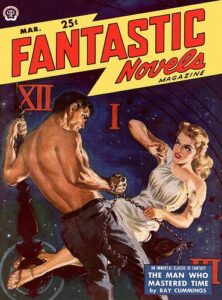
The mid-21st Century is a good time for those of us who enjoy the adventures of Robert E. Howard’s swashbuckling hero Conan the barbarian. For the first time since the Conan stories were first published in the 1930’s the original Conan stories are now available in the their pure, unmodified form through a variety of reprints. And new Conan prose stories are coming out from high quality publishers, as well as many new stories in the graphic novel format. These new stories are being created by a variety of talented writers and artists who clearly revere and understand the character.
If you’re reading this, you probably know at least a little about the character of Conan the Cimmerian. The swashbuckling barbarian hero who would be an adventurer, warrior, thief, pirate, bandit leader, general, and eventually king. He is one of the most enduring characters from America’s golden age of pulp fiction. There have been waves of interest in the Conan over the decades since he debuted in the December1932 issue of Weird Tales Magazine. The gusty, atmospheric and well-written stories struck a chord with readers and for some time Howard had a ready market for Conan tales in the early 1930’s, until his death in 1936. However, later generations were to discover Conan’s adventures and would ensure that Conan would stay in print and even expand into movies and comics and other formats in ways that Robert E. Howard probably never imagined.
Reprint Rebirth
The first wave of renewed interest in the character occurred in the 1957 with hardcover reprint collections by Gnome Press, which included not just the Conan stories written by Robert E. Howard, but also new stories by other authors. Then in 1966 Lancer/Ace Publishing began a successful serious of reprints in paperback format. These reprints had wonderfully evocative covers with art by masters of fantasy illustration like Frank Frazetta. These illustrations not just grabbed reader’s attention, but captured the vibe of the Conan milieu so perfectly that for a generation they were what fans thought of when they thought of Conan the Barbarian. It’s no exaggeration to say that the art by Frazetta and others contributed to the success of the Conan revival of that period.
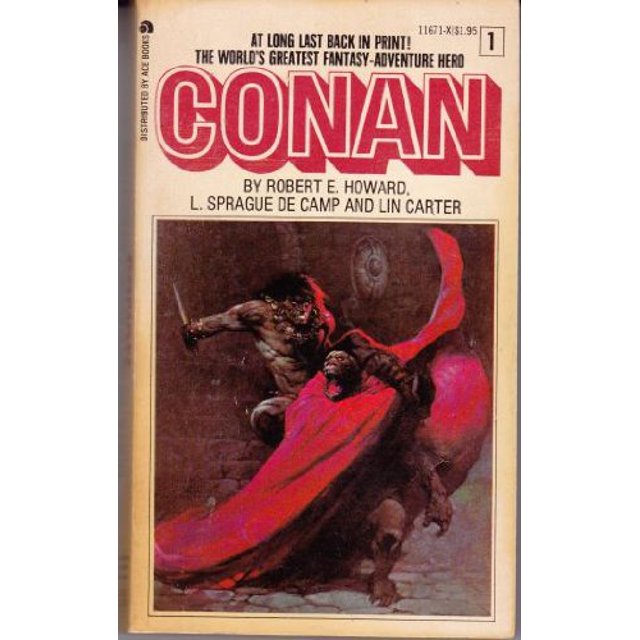
Frank Frazetta art for mass market books helped drive interest to the stories.
Conan stayed in print in the mass market format for the following decades with a variety of publishers like Berkley and Bantam and others. Tor publishing carried new Conan stories from the 1980s into the 21st Century. But the eruption of reprints in the 1960’s would foreshadow the stories breaking new ground into another format that would prove extremely successful and ensure that whole new generations would enjoy Conan’s world and adventures.
Conquering New Territory
The 1970’s saw an explosion of interest fantasy stories, driven by the public’s fascination with Tolkein’s Lord of the Rings, and the the Conan paperback reprints with their wonderfully evocative cover art. In response to this, Marvel Comics took a chance on bringing the Conan stories into the graphic novel format. These books would prove extraordinarily successful, and not only brought the Conan character to new readers, but launched the careers of talented creators, like the artist Barry Windsor Smith.
Conan’s appearance in comic book format brought whole new dimensions to the readers’ perceptions of the character. Where perviously the physical appearance of the people, cultures, cities, and artifacts of Conan’s world were dependent on the descriptions in the text, the readers’ imaginations, and the limited number of cover or interior illustrations of the pulp magazines or books. In the comics, the visual elements took preeminence, and set the look of the hero for generations. The art, especially in the early issues by a young Barry Windsor Smith was frequently really great. Conan was depicted as he would have been earlier in his career, muscular but lean, and lankier than later portrayals. There was romantic, exotic smoothness to Windsor Smith’s art that brought a whole new atmosphere to the fictional world.
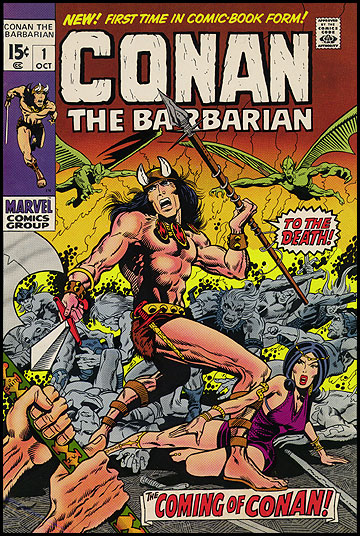
Art by Barry Windsor Smith for Marvel Comics Conan the Barbarian #1
Having said that the Marvel comic’s style of storytelling and dialogue didn’t always do the original material justice. Marvel comic’s insistence at that time that every character who wasn’t from New York City speak in a faux Shakespearean vocabulary made the characters in the Conan comic stories sound not only anachronistic, which wouldn’t be necessarily bad, but slightly silly. And the authors, even talented writers like Roy Thomas, didn’t seem to truly understand Conan’s character. It’s true that in the original stories, the young Conan is presented as naive and hot headed, but in the comics those characteristics seemed to be exaggerated until he seems to be unusually dim generic good guy.
Happily as the year progress the character became much more mature and intelligent under other writers. And the art continued to be excellent, especially when penciled by the wonderfully talented John Buscema. It was Buscema who refined the definitive look for the character in comics; intensely sullen-eyed, high buccaneer boots, metal bracelets, ubiquitous longsword, and furred breech cloth. Accurately based on Robert E. Howard’s description, but uniquely Buscema’s own style, this is the look for the character that would influence all other depictions to the present day.
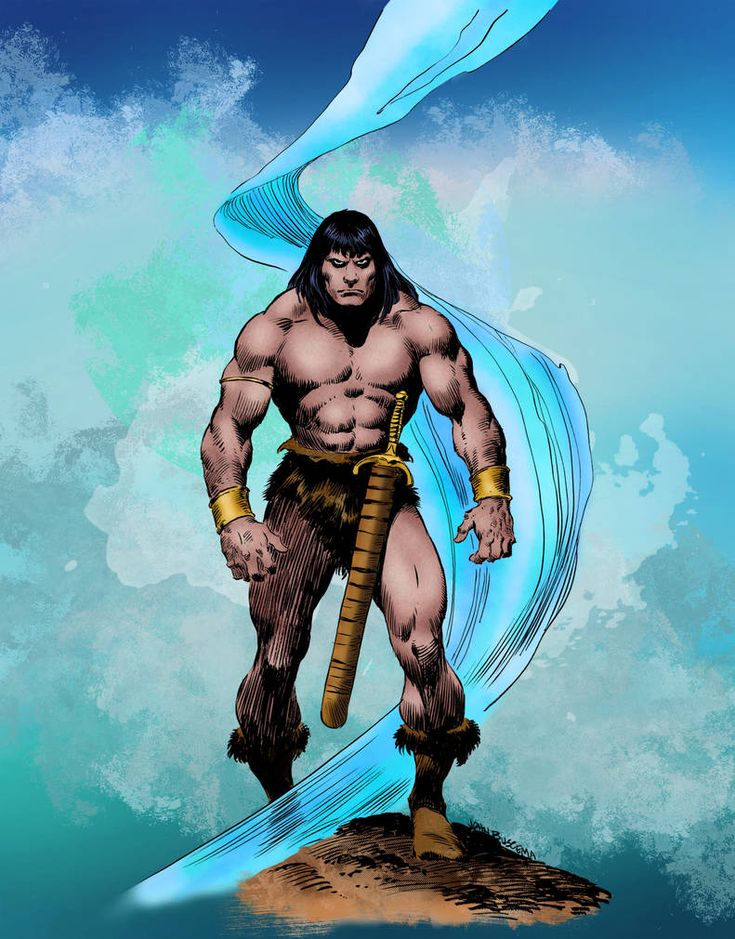
Conan the Barbarian by John Buscema
I suspect it was the strength of Conan’s success in comics that motivated what is probably the most accessible and highest profile depiction of the Conan character in the late 20th Century. This is of course, the movie Conan the Barbarian (1982). The movie was a success, directed by John Milius, from a screenplay by Milius and ,to a very small degree, Oliver Stone, of all people. Fans of Conan were excited to see the live action version of the character, and, in fact, the movie is enjoyable for it’s atmosphere, mildly evocative medievalesque visuals based vaguely on the Frank Frazetta paperback covers, and some rousing action sequences. However, despite having the supremely talented James Earl Jones as the antagonist Thulsa Doom, the. movie suffers from a very weak performance by Arnold Schwarzenegger. While Schwarzenegger largely looked the part, and even though this was not his first performance on screen, he was still a novice, and his inexperience is very clear.
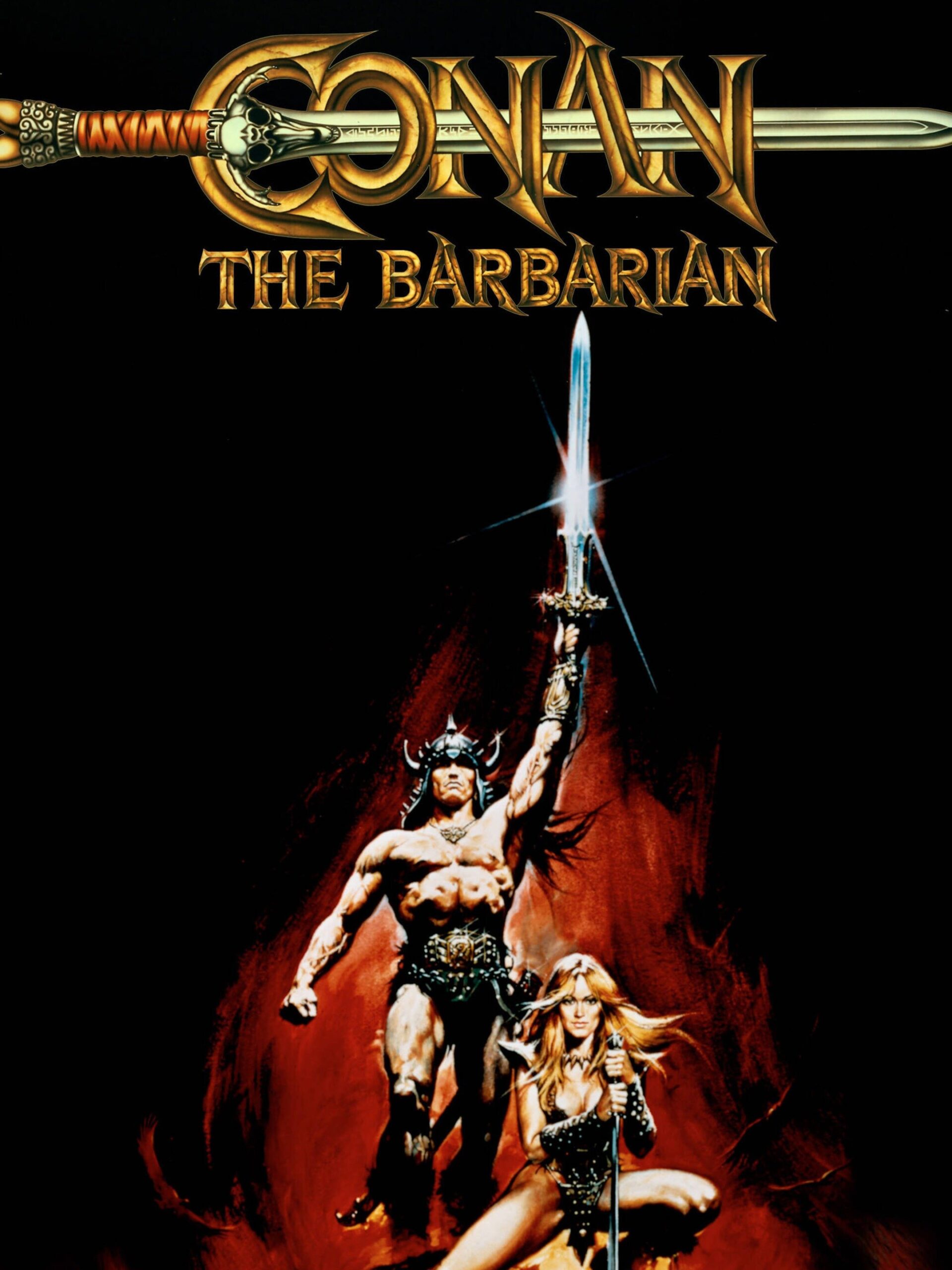
In fact, while the movie carries the Conan name, the movie’s story mixes elements from stories about other characters by Robert E. Howard besides Conan. The movie protagonist’s history has more elements in common with Howard’s Kull of Atlantis. In the movie Conan is made a slave and then becomes a gladiator before getting free. This backstory is taken from Howard’s other barbarian character, Kull of Atlantis, a wild hero who was made a galley slave, and forced to become a gladiator, before escaping and becoming king of Valusia. In the Howard stories, Thulsa Doom was the adversary of Kull, and never encountered Conan at all, although the movie villain does resemble some evil wizards that Conan was pitted against. In brief, the movie was an interesting and enjoyable experiment in adapting the Robert E. Howard barbarian heroes to the big screen, rather than a tale that was faithful to the Conan character. The movie did well enough at the box office that it spawned a sequel, 1984’s Conan the Destroyer, that was not nearly the success.
The next decade saw some further attempts to continue televised Conan stories. In 1992 the animated company Sunbow broadcast and animated version of the hero: Conan the Adventurer. Not surprisingly this rendition of the character was not as successful. The same can be said about a live action cable series in 1997, the era of The Adventures of Herucles and Xena the Warrior Princess, also called Conan the Adventurer that ran for just one season.
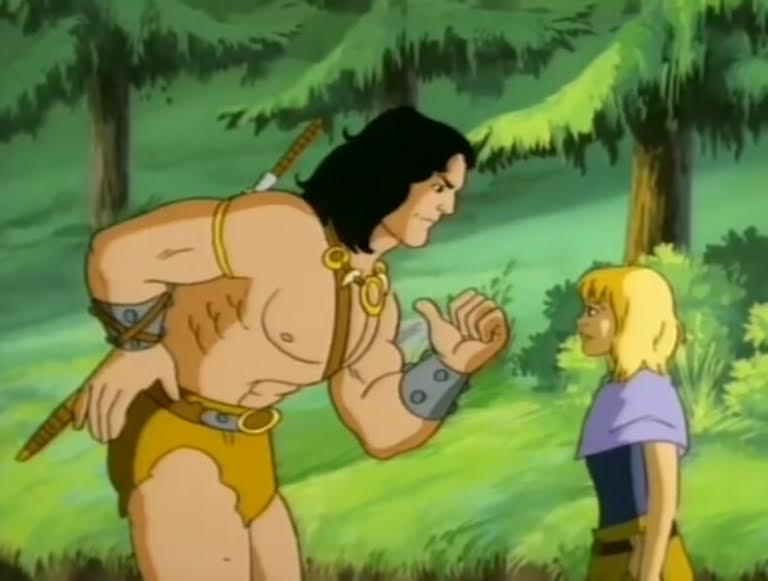
Scene from the animated Conan the Adventurer
Old Stories New Glory
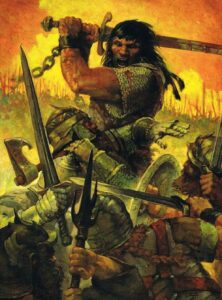
In 2003 Penguin Random House reprinted many of the works of Robert E. Howard, including all of the stories of the heroes Kull of Atlantis and Bran Mak Morn. These reprints include sets of all of the original Conan stories. These are excellent editions, and worth the effort to find them. Not only do they include the full Conan stories, there’s a wealth of information about how the characters evolved in Howard’s career. But even better these editions include incredible illustrations by such stars as Gary Gianni and Mark Schultz who continue in the legacy of Frank Frazetta by providing evocative illustrations that not only embellish the fiction, but stand alone as works of heroic art.
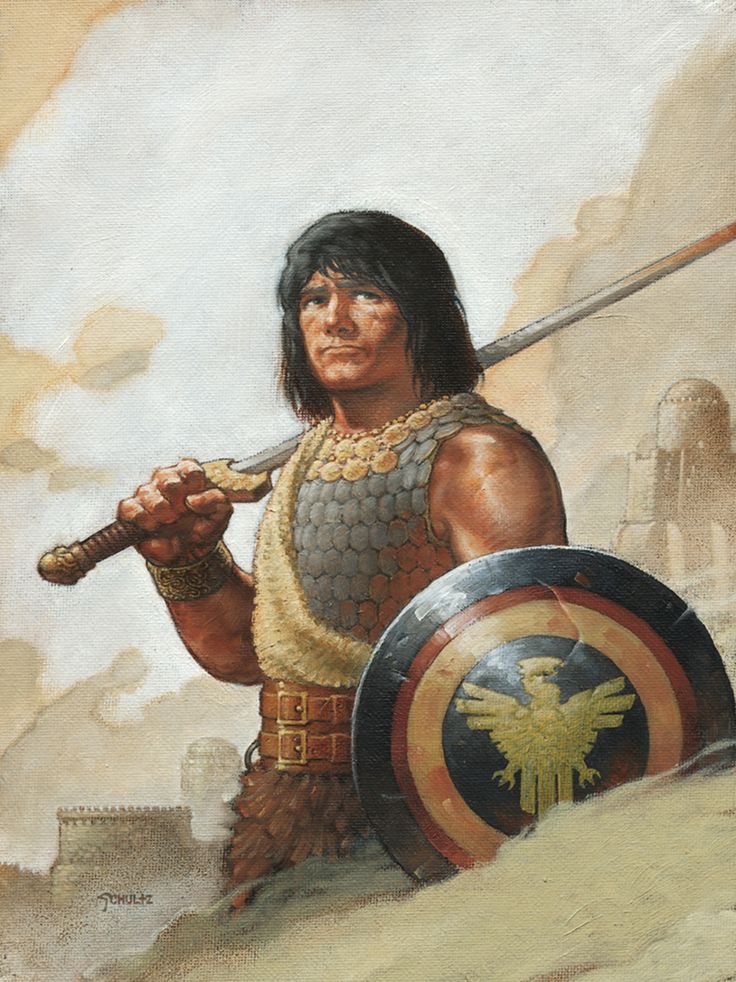
Art by Mark Schultz
Conquering Comics
Besides reprints of the original stories, Conan has always had more success in comic books and graphic novels, and it was in comics that the character would once again reach new heights of popularity and quality storytelling. Between 2003 and 2018 Dark Horse Comics printed seven series featuring the barbarian hero, in every era of his life, from wandering warrior and thief to Conan the King.
A more recent rendition of Conan was in the Savage Avengers comics series by author Gerry Duggan for Disney-owned Marvel Comics of all companies. In the Savage Avengers Conan is once again transported to the 21st Centry via comic book-style magical ridiculousness. In the series Conan is the linchpin character for the storyline, and is beyond a doubt the reason to read it. While the aesthetic of the character has to be flexed a bit so that he can interact with Marvel characters like Doctor Doom, Wolverine, and, of course, Deadpool, but this rendition is still the recognizably stalwart, intelligent, uncivilized but adaptable hero we know.
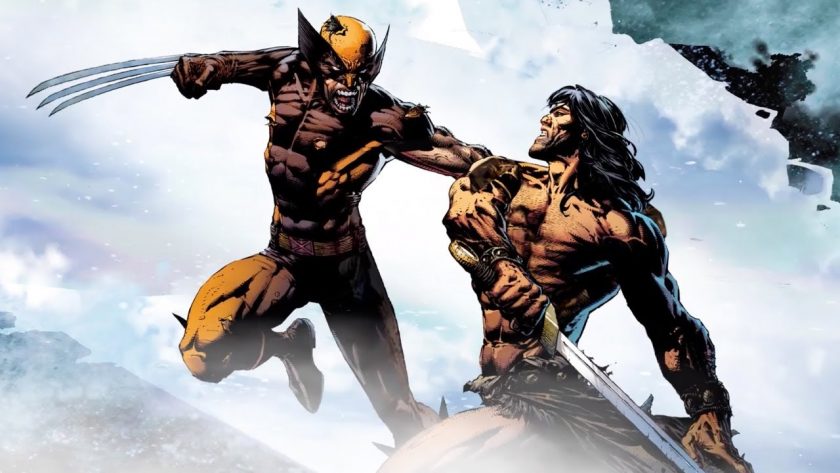
And perhaps it’s fun to see him square off with Wolverine, discussing his stoic Cimmerian philosophy with the Punisher, and use Deadpool’s healing factor in a very clever but comically horrific jail break. Despite the 21st Century setting and the overlay of all that deep Marvel culture, the Conan character stands on his own if presented with the same kind of barbaric attitude and intelligently heroic gravitas that we’ve come expect from him.
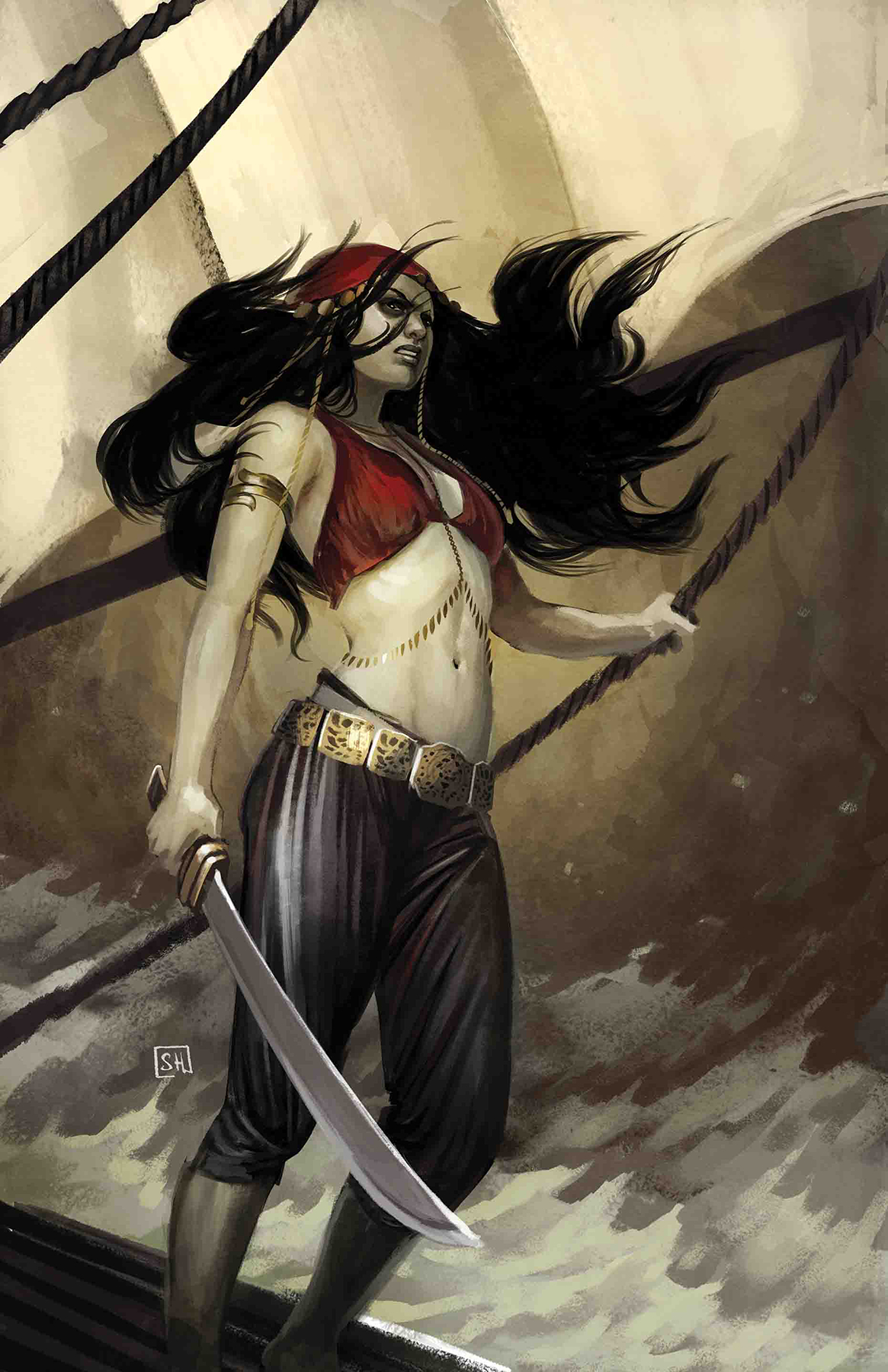
Art by Stephanie Hans for Marvel Comics Age of Conan Bêlit #3
These series by Marvel Comics were such winners that while they had the license for the Robert E. Howard characters they put out miniseries featuring the fan favorite character Bêlit. Introduced by Howard in the pulp story Queen of the Black Coast from Weird Tales (5 May 1934). Bêlit, the infamous pirate queen, and a character as formidable as Conan himself, was hugely popular from the original story, and has appeared in almost all formats of entertainment featuring the Conan character.
The success of these new renditions of Conan the Barbarian seems to be because the creators care about the legacy of the hero and are deeply aware of his stories. They don’t just name-drop elements of the original Robert E. Howard Conan stories, when they bring those elements into the stories it’s clear they understand Conan’s history, personality, and what the character means to readers. They get the character right.
An example of this are the stories from Titan Comics that got the rights to the Conan character after Marvel comics. Many of the stories written by Jim Zub indicate a deep knowledge and aesthetic grasp of REH’s characters.
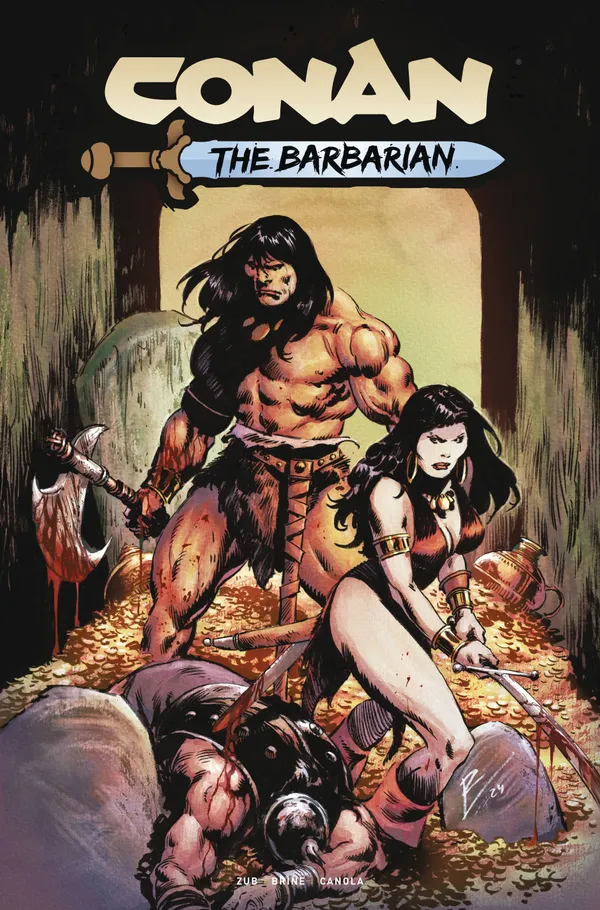
Even though the character was introduced in prose stories in the 1930’s, it’s with the comic book format that Conan stories have proliferated explosively and kept the character relevant for over 90 years. The character’s exotic universe and bizarre, swashbuckling adventures are perfectly suited for the combination of illustrations and stripped down story telling that comics provide. Few other medium can provide that immediacy of image and narrative the comics can provide. It is interesting to note that Conan reached his second hay day in stories that are written quickly for mass consumption on a deadline, presented on cheap pulp paper.
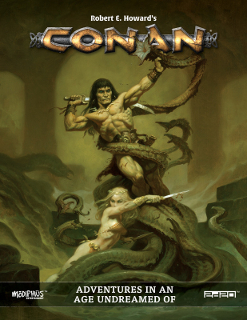
If comics is where Conan has the most success, it will be no surprise that there are many popular tabletop roleplaying games like Conan: Adventures in an Age Undreamed Of by Modiphius Entertainment and several popular video games like Funcom’s Conan Exiles.
The character of Conan the Barbarian has had a strange and fascinating path in popular entertainment since he was introduced in 1932. It’s great to know that the character still has relevance, and that his adventures, old and new, are so readily available in a huge number of platforms.